
By Oluwabukunmi Tovia Ajayi| UCJ FUOYE
The heat has become difficult to ignore. Across Nigeria, unusually hot days, uncomfortable nights and changing rainfall patterns have become increasingly noticeable. For students, the heat can make attending lectures, studying, sleeping and even moving around campus considerably more difficult.
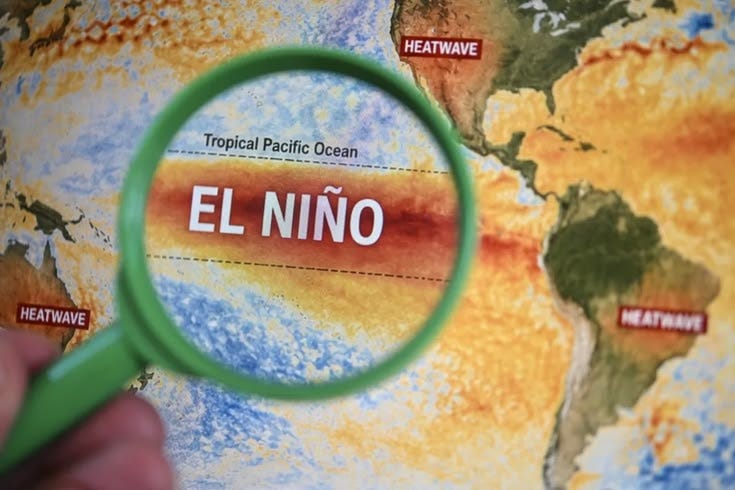
One possible contributor is El Niño, a natural climate phenomenon that is currently strengthening and is expected to persist into early 2027.
What is EL Niño? El Niño occurs when sea-surface temperatures in the central and eastern tropical Pacific Ocean become unusually warm. Although the phenomenon begins thousands of kilometres away from Nigeria, it can influence weather patterns around the world by altering atmospheric circulation, temperature and rainfall. According to the World Meteorological Organization (WMO), the current El Niño is expected to become very strong and could persist through February 2027.
However, El Niño does not mean that every country will experience the same conditions or that every day will be extremely hot. Its effects vary according to location and season. In Nigeria, the concern is particularly important because higher temperatures and changes in rainfall can affect health, agriculture, water availability and food security. The Nigerian Meteorological Agency (NiMet) 2026 seasonal forecast has also warned of generally warmer temperatures and variable rainfall patterns across the country.
Should Students be scared?There is a reason to take the heat seriously, but not to panic.A recent report from the University of Chicago’s Climate Impact Lab projects as many as 451,000 excess heat-related deaths globally between June 2026 and February 2027. Nigeria has the highest projected national figure in the report, with an estimated 31,400 additional heat-related deaths between September 2026 and February 2027.These numbers may sound frightening, but they are projections, not a confirmed death toll. They estimate how many more deaths could occur compared with an average year if projected temperature conditions occur. In other words, 31,400 Nigerians are not destined to die. The purpose of such forecasts is to show where early action could prevent deaths.
As WMO Secretary-General Celeste Saulo put it, “We have the science. We have advance warning. And we still have time to act.”
What can students do?Students can begin with simple habits that can make a significant difference. Drink water regularly, use an umbrella or wear a facecap for shade, wear light and loose-fitting clothes, take cool showers and avoid unnecessary strenuous activities during the hottest part of the day. The World Health Organization (WHO) recommends staying in the shade or moving to a cooler environment when possible.
On campus, students can encourage one another to carry water, share information about heat safety and check on friends who may be struggling with the heat. Most importantly, do not ignore warning signs. Severe dizziness, weakness, confusion, fainting or very hot skin can indicate a serious heat-related illness and require urgent medical attention.
El Niño is beyond the control of an individual student. Staying hydrated, staying informed and looking out for one another, however, are within our control.The heat may be serious, but fear is not the solution. Preparation is.